Natural Product Efficacy Evaluation
Saudi date cultivars' seed extracts inhibit developing hepatic steatosis in rats fed a high-fat diet
Saudi date cultivars’ seed extracts inhibit developing hepatic steatosis in rats fed a high-fat diet
- 저자: Ali Zarie A; Osman MA; Alshammari GM; Hassan AB; ElGasim Ahmed Yagoub A; Abdo Yahya M
- 출처: - (2023)
- DOI/링크: https://doi.org/10.1016/j.sjbs.2023.103732
- 연구 계열: Topics/Natural Product Efficacy Evaluation
- 투고일: 2023-05-09
TL;DR
사우디 대추야자 3개 품종(Qatarah, Barhi, Ruthana)의 씨앗 추출물을 고지방식(HFD) 먹인 쥐에 투여했더니 Barhi와 Ruthana가 체중·간 무게, 혈청과 간 지질, 간 효소, 산화 스트레스와 염증 지표를 개선했다. Ruthana 600 mg/kg은 대부분 지표를 정상 대조군과 Lipitor 투여군 수준으로 되돌렸고, Qatarah는 효과가 없었다.
1. 연구 배경 및 동기
- 다루는 문제: 고지방식과 비만은 고지혈증, 산화 스트레스, 만성 염증을 일으켜 지방간과 NASH로 이어진다. 대추야자 씨앗은 과실 무게의 10-15%이며 페놀, 플라보노이드 등 생리활성 물질이 풍부하다. 사우디아라비아는 대추야자 주요 생산국이다.
- 기존의 공백 / 왜 필요한가: 사우디산 대추야자 씨앗의 간 보호 효과에 관한 자료는 드물어 광범위한 조사가 필요했다.
2. 관련 연구
- 기존 연구 흐름: Ajwa와 Sukkari 씨앗 추출물이 지질 프로필과 산화 지표를 개선했다는 보고, 고콜레스테롤 쥐에서 메탄올 추출물이 효과를 보였다는 보고, 당뇨 쥐에서 에탄올 추출물이 TC, LDL-C, TG를 낮췄다는 보고가 있다.
- 이 논문의 위치: Qatarah, Barhi, Ruthana 세 품종의 씨앗 페놀 추출물을 같은 조건에서 비교하고 스타틴 계열 Lipitor를 양성 대조로 둔 간 지방증 연구이다.
3. 핵심 기여
- Barhi와 Ruthana 씨앗 추출물의 간 보호·항산화·항염 효과를 확인했다
- 품종별 차이를 보여 Qatarah는 효과가 없음을 확인했다
- Ruthana 600 mg/kg이 Lipitor와 비슷한 수준까지 지표를 정상화함을 보였다
4. 제안 방법론
- 전체 접근 논리: HFD로 간 지방증을 유도한 쥐에 품종과 용량(300, 600 mg/kg)별로 씨앗 추출물을 투여하고, 대사·지질·간 기능·산화 스트레스·염증·조직 소견을 비교했다.
- 단계:
- 씨앗을 가루로 만들어 methanol:ethanol:water(40:40:20)로 추출, 농축 후 동결건조
- Wistar 수컷 쥐 72마리를 AIN-93M 기반 일반식 또는 HFD로 사육하고 추출물 또는 Lipitor 10 mg/kg을 경구 투여
- 혈청과 간의 지질, 포도당, 인슐린, HOMA-IR, ALT, AST, leptin, adiponectin, CRP, MDA, GSH, SOD, CAT, 사이토카인을 측정하고 H&E 조직 검사 시행
5. 실험 설정
| 항목 | 내용 |
|---|---|
| 대상/재료 | 수컷 Wistar 흰쥐(150 ± 20 g), 군당 8마리 |
| 처리 조건 | 일반식(STD), HFD, HFD + Lipitor 10 mg/kg, HFD + Qatarah, Barhi, Ruthana 추출물 각 300 및 600 mg/kg 경구 투여. 투여 기간은 방법 절에 8주로 적혀 있으나 초록에는 4주, 사료 섭취량 표에는 4주로 적혀 있어 서로 다름 |
| 대조군 | 일반식 군과 HFD + 생리식염수 군, 양성 대조 Lipitor(atorvastatin) |
| 측정 방법 | 체중, 간 무게, 혈당, 인슐린, HOMA-IR, 혈청과 간 TG·콜레스테롤·FFA, LDL-c, HDL-c, ALT, AST, MDA, GSH, SOD, CAT, TNF-α, IL-6, IL-10, leptin, adiponectin, CRP, 간 조직 H&E 염색. 일원 분산분석과 Tukey 사후 검정, p < 0.05 |
6. 실험 결과 분석
| 지표 | 변화(Δ) | 조건 · 유의성 |
|---|---|---|
| 최종 체중(g) | STD 324, HFD 457, Lipitor 358, Barhi 300/600 mg/kg 398/367, Ruthana 300/600 mg/kg 364/364 | Qatarah 300/600 mg/kg(433/463)은 HFD와 차이 없음 |
| 간 무게(g) | STD 13.7, HFD 19.5, Barhi 300/600 17.5/15.6, Ruthana 300/600 15/13 | Ruthana 600 mg/kg이 STD, Lipitor와 비슷 |
| 혈당(mg/dl)과 HOMA-IR | 혈당 STD 97, HFD 207, Ruthana 600 mg/kg 103, HOMA-IR STD 1.1, HFD 3.7, Ruthana 600 mg/kg 1.2 | Barhi 600 mg/kg 혈당 141, HOMA-IR 2.2 |
| 혈청 TG(mg/dl) | STD 47, HFD 145, Barhi 600 mg/kg 91, Ruthana 600 mg/kg 51 | Ruthana 600 mg/kg은 STD, Lipitor와 차이 없음 |
| 간 TG(mg/g)와 콜레스테롤(mg/g) | 간 TG STD 3.2, HFD 7.7, Ruthana 600 mg/kg 3.1, 간 콜레스테롤 STD 0.5, HFD 2.2, Ruthana 600 mg/kg 0.6 | Qatarah는 효과 없음 |
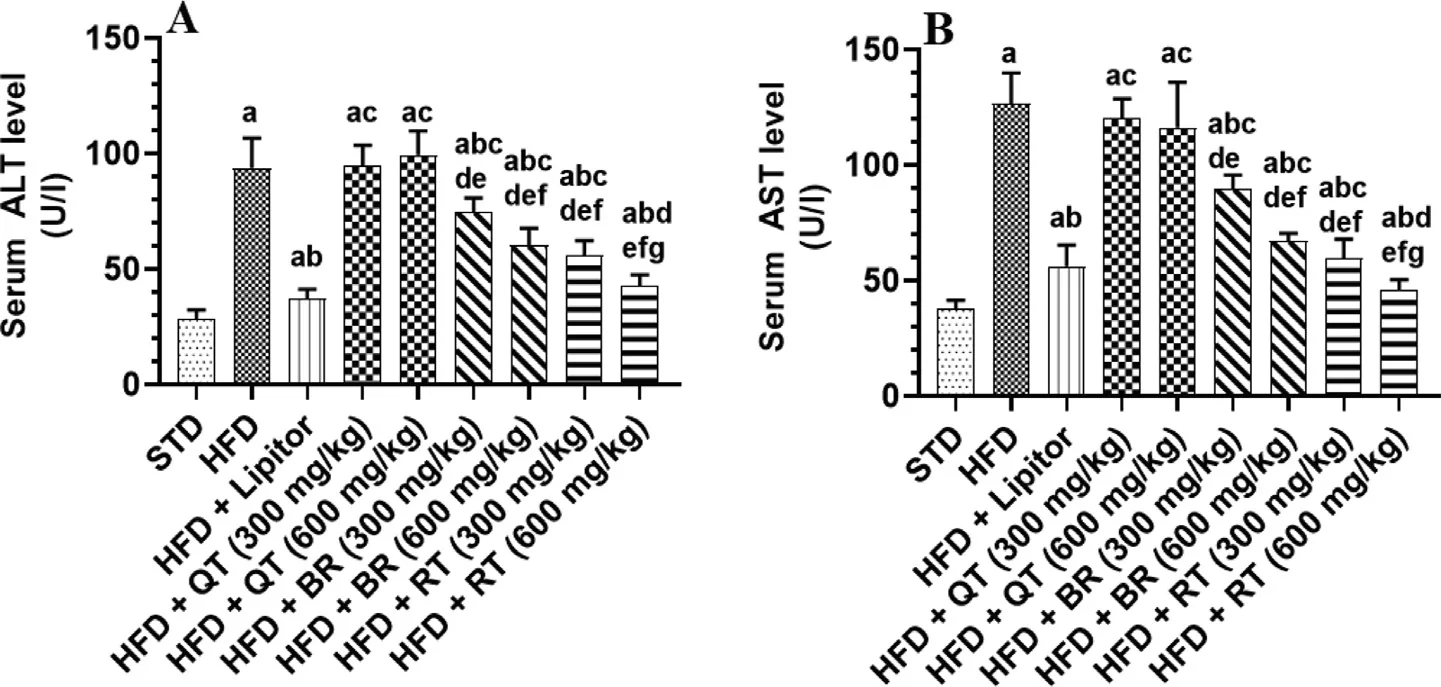
| 혈청 ALT, AST | HFD에서 상승, Qatarah 외 모든 처리군에서 감소 | Ruthana 600 mg/kg에서 감소 폭 최대, 그래도 STD보다는 높게 유지(p < 0.05) |
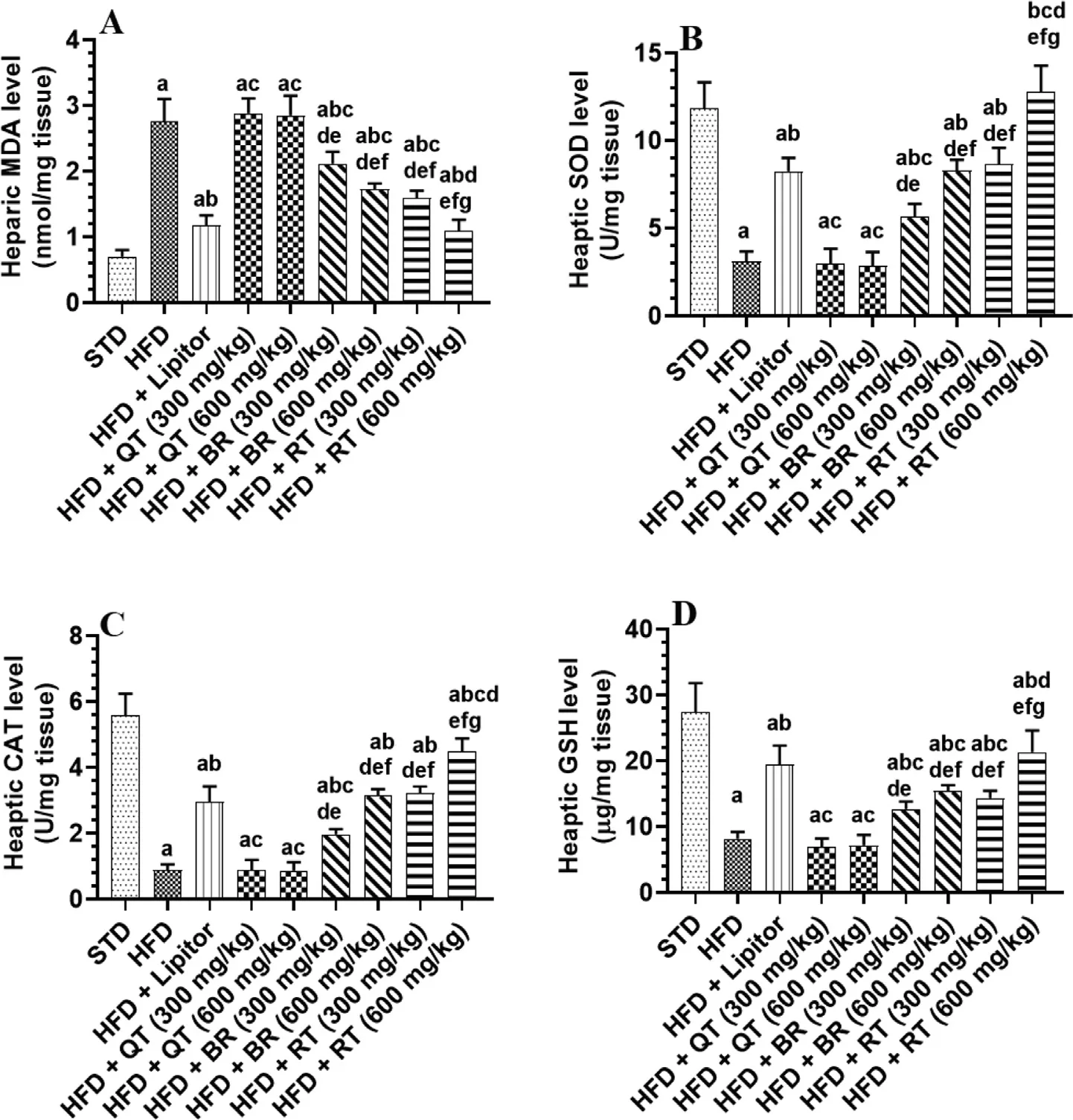
| 간 산화 스트레스 지표 | Barhi, Ruthana 투여군에서 MDA 감소, SOD, GSH, CAT 증가 | Ruthana 600 mg/kg에서 가장 큰 개선, Qatarah는 변화 없음 |
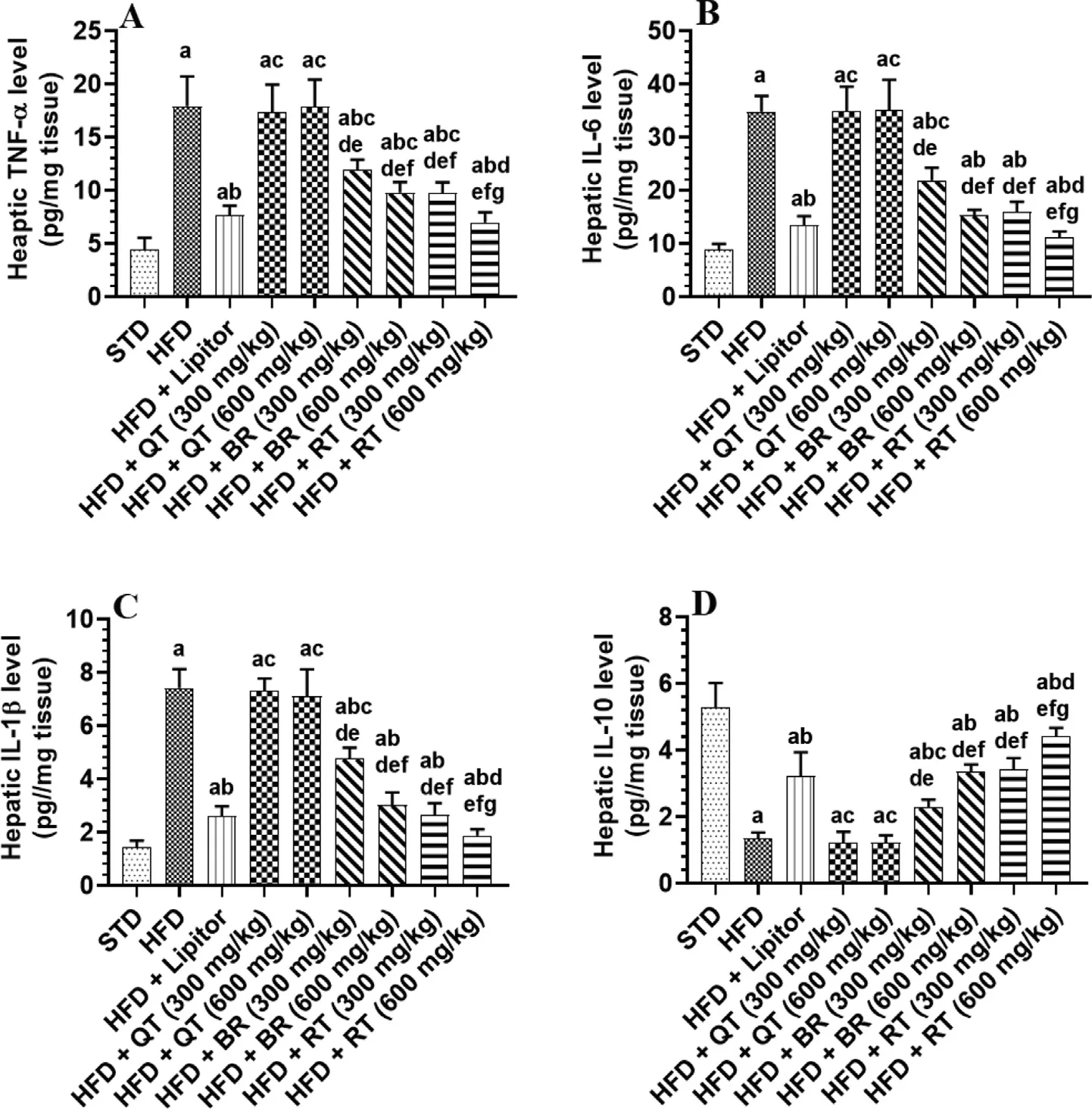
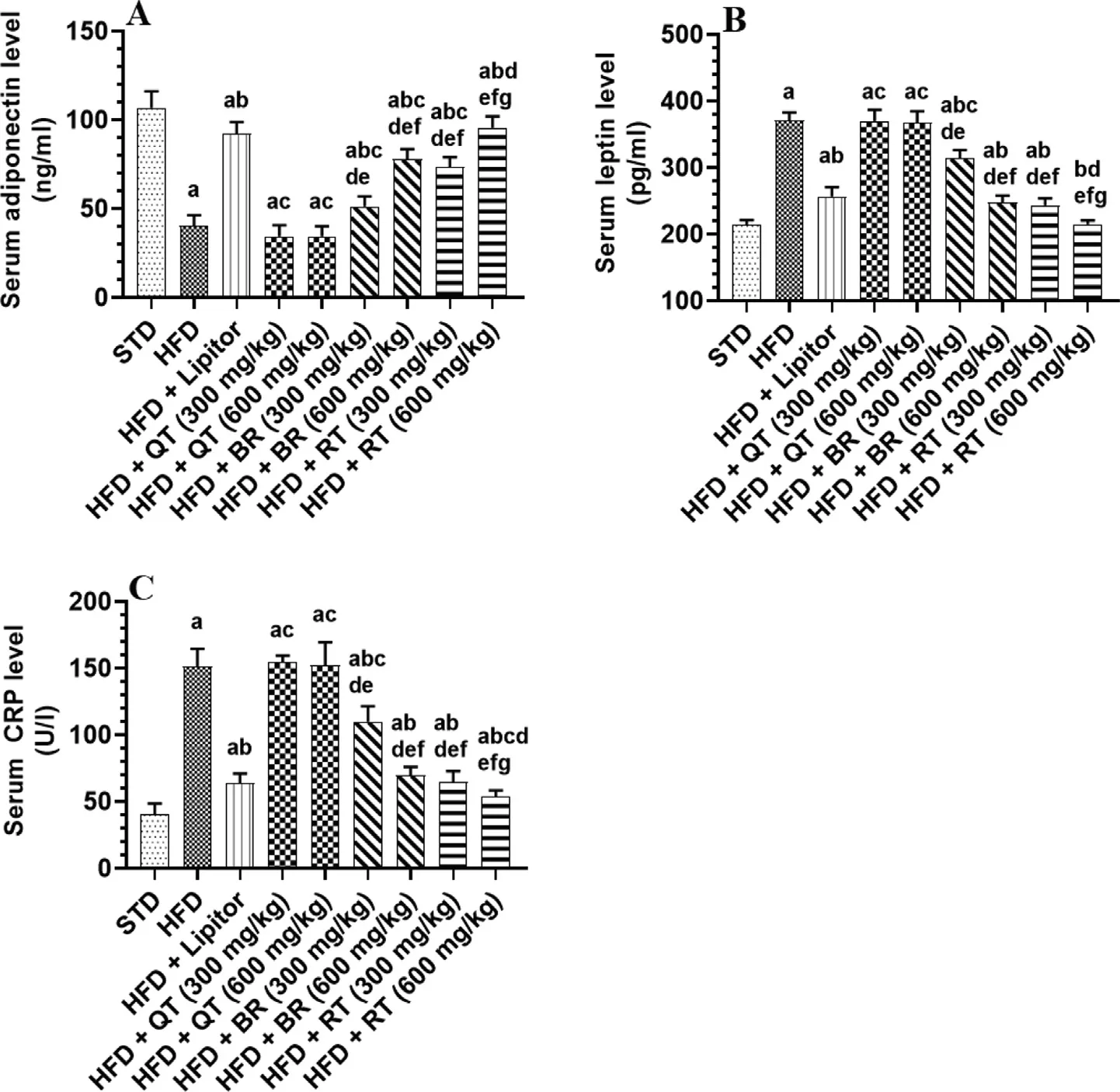
| 염증과 지방세포 호르몬 | CRP, leptin, TNF-α, IL-6, IL-1β 감소, IL-10과 adiponectin 증가 | Barhi, Ruthana 투여군, Ruthana 600 mg/kg이 가장 크게 개선 |
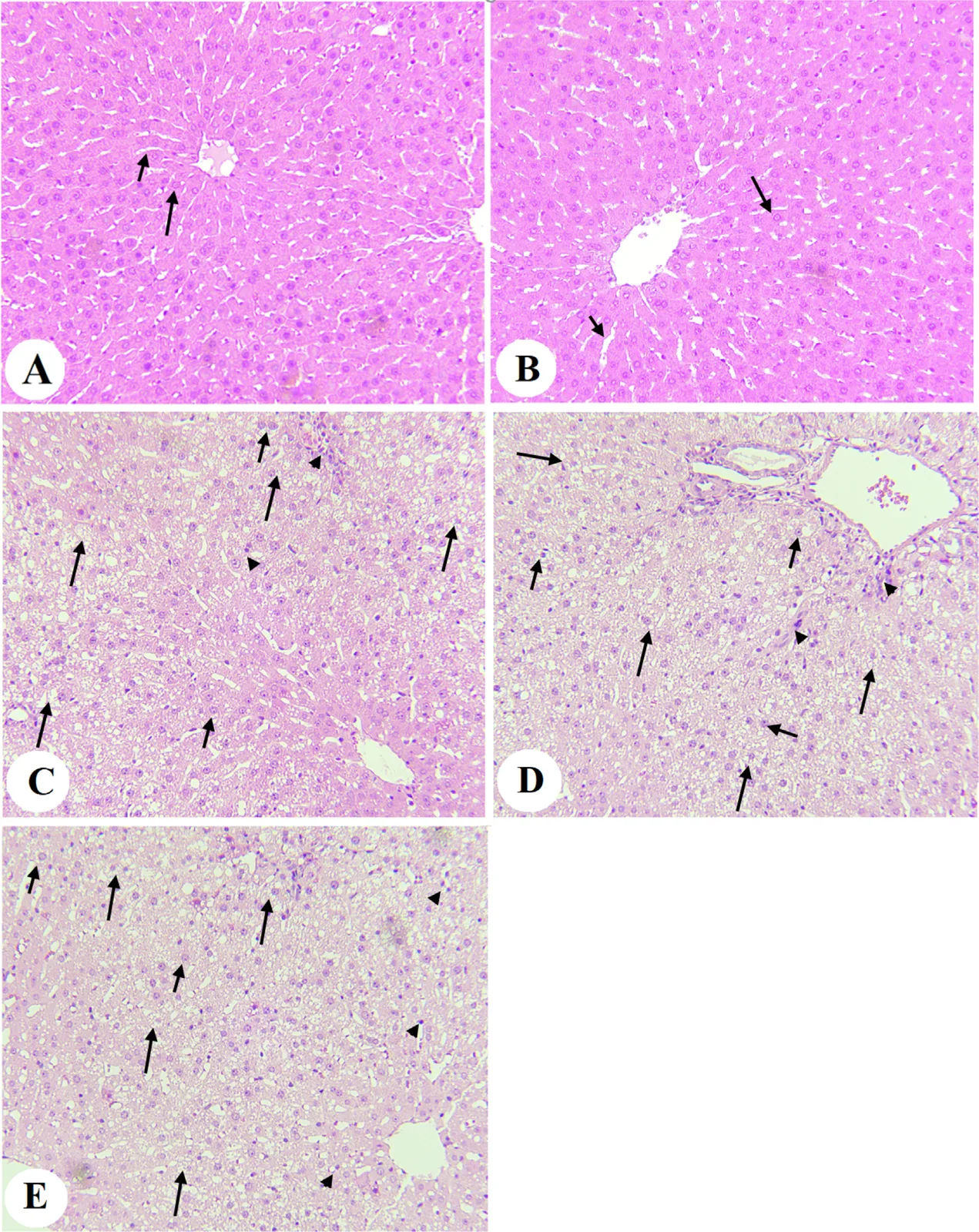
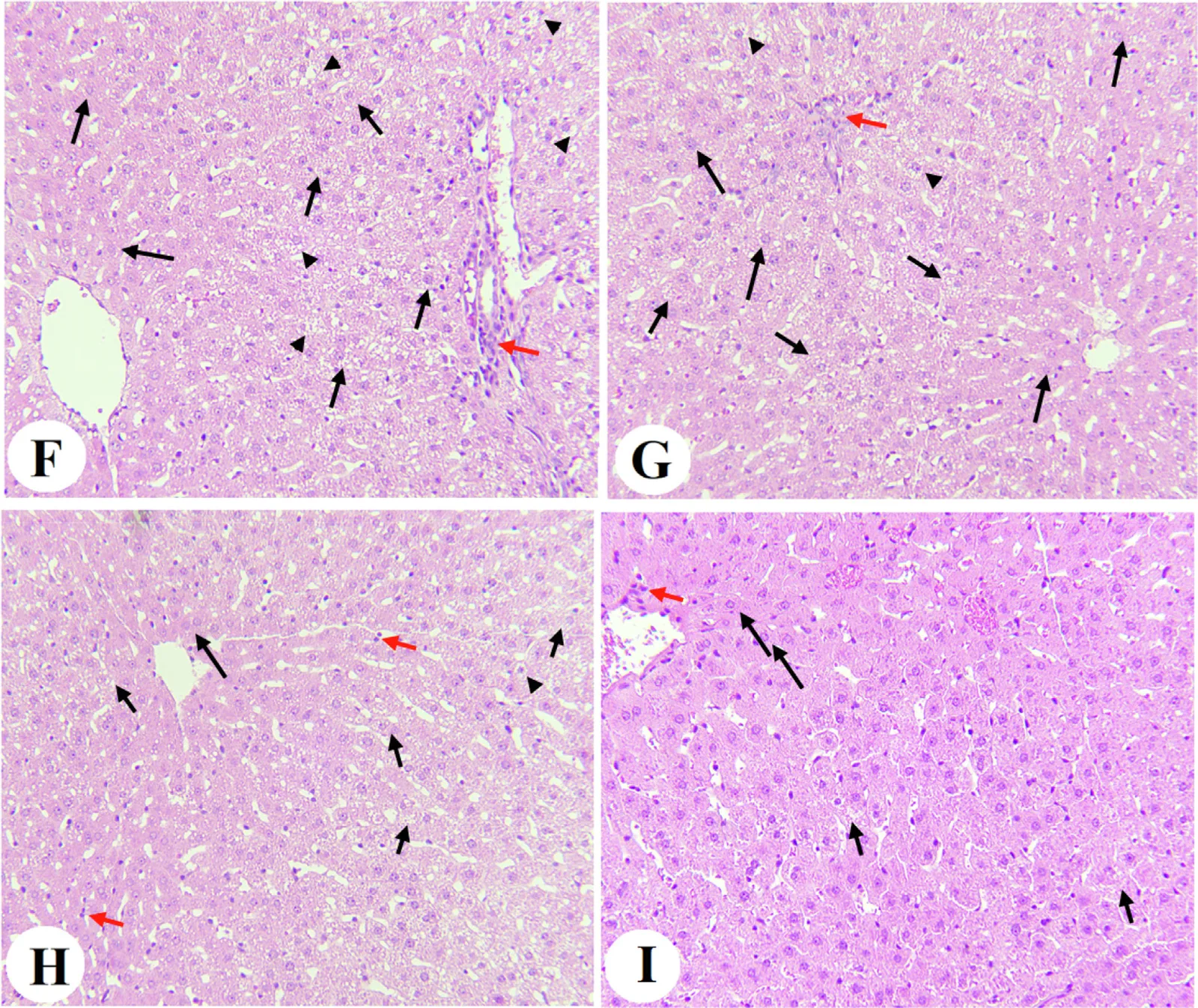
| 간 조직 | Barhi, Ruthana 투여군에서 지방 축적과 면역세포 침윤 감소, 간 구조 개선 | Qatarah는 HFD군과 비슷한 대형 지방 공포와 파괴 소견 |
제안 기전(인과 사슬):
씨앗 추출물의 폴리페놀·올레산 → 항산화 효소(SOD, GSH, CAT) 증가와 MDA 감소 → 간 산화 스트레스 완화 → 염증 사이토카인 감소 → 간 지질 축적과 간 손상 감소(저자 해석, 직접 검증하지는 않음. SREBP-1c 활성 감소도 가능성으로 언급)
7. 비판적 평가
강점
- 세 품종과 두 용량을 양성 대조(Lipitor)와 함께 비교했다
- 혈청, 간 조직, 산화, 염증, 조직학 지표를 함께 측정했다
- 품종별로 효과가 크게 다른 점을 보여 주었다
한계 · 의문
- 추출물의 성분 분석이 없어 활성 물질을 알 수 없고 Qatarah의 무효 이유(낮은 파이토케미컬 함량)는 추정에 그친다
- 투여 기간이 초록(4주)과 방법(8주)에서 다르게 기재되어 있다
- 기전은 지표 측정에 기반한 해석이며 유전자·단백질 경로는 검증하지 않았다
8. 향후 연구 방향
- 덜 알려진 사우디 대추야자 품종의 성분 스크리닝과 효능 평가
- 활성 성분 규명
- 다른 질환에 대한 예방·치료 가능성 연구
9. 결론
Barhi와 Ruthana 씨앗 추출물은 HFD 쥐에서 간 지방증, 산화 스트레스, 염증을 줄여 간 보호 효과를 보였고 Ruthana 600 mg/kg이 가장 강했다. Qatarah는 효과가 없었다. 대추야자 씨앗은 지방간·NASH 예방에 활용될 수 있으나 성분과 기전 연구가 더 필요하다.
Keywords
date seeds, hepatic steatosis, high-fat diet, Barhi, Ruthana, oxidative stress, inflammation, rat
원문 그림
원문 그림 · 라이선스: cc-by-nc-nd